

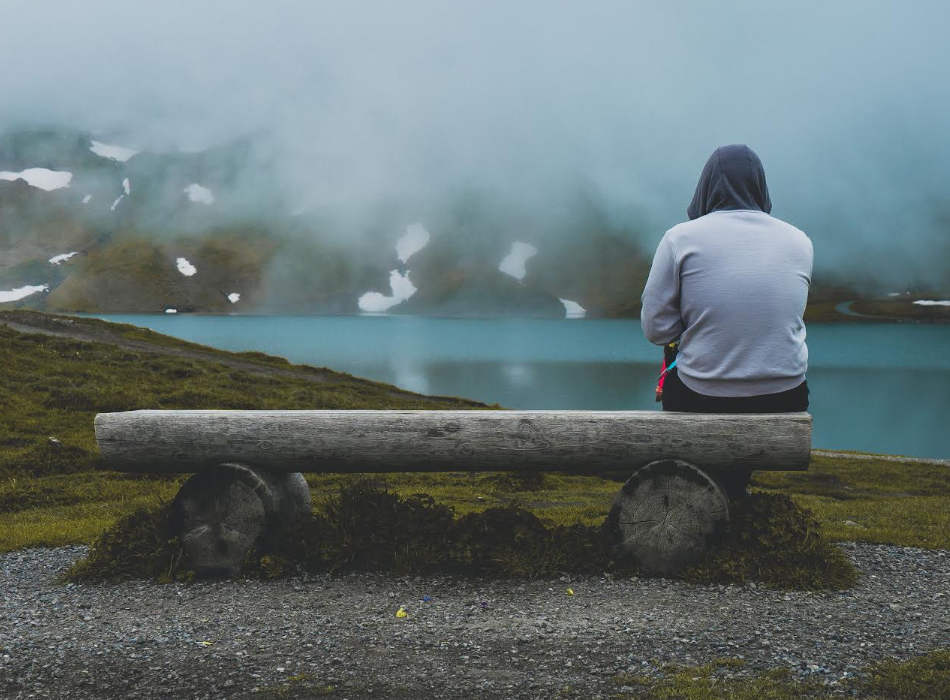
When was the last time you were truly alone—with no phone, no noise, and no need to perform?
We live in a world that rarely allows us to be still. Our phones buzz before we wake, our calendars fill before we have time to breathe, and even when we are physically alone, our minds remain crowded with messages, deadlines, comparisons, worries, and unfinished tasks. Modern life has given us extraordinary convenience, but it has also made stillness feel unfamiliar and even uncomfortable.
Yet beneath the busyness, many of us carry a quiet longing: to understand ourselves, to heal from what hurts, to feel closer to God or to something greater than us, and to discover why we are here. We want more than productivity; we want meaning. We want more than connection; we want peace.
This is where solitude begins.
Solitude is not loneliness. Loneliness is the pain of feeling disconnected, unwanted, or isolated. Solitude is the conscious choice to be alone with awareness, openness, and peace. It is the sacred art of stepping away from noise—not to escape life, but to return to it more awake, calmer, and more whole. Across spiritual traditions, solitude has been valued as a path to prayer, connecting higher-self, meditation, yoga, self-discovery, and inner healing. In silence, we begin to hear what the busy mind often hides: our fears, hopes, wounds, desires, purpose, and the quiet presence of the Divine.
Who Am I?
Solitude eventually leads us to one of the most powerful questions: Who am I?
We may define ourselves by our job, nationality, family, achievements, failures, appearance, or relationships. These are part of our story, but they are not the whole of who we are. In solitude, we begin to see that we are more than our roles and more than our pain.
You may be a parent, professional, friend, believer, caregiver, leader, or dreamer—but beneath all these identities is a deeper self: the one who observes, feels, hopes, learns, and seeks meaning. Self-reflection in solitude helps us meet this deeper self.
It teaches us to ask: What do I believe about myself? Are these beliefs true, or have I absorbed them from others? What parts of myself am I ashamed of? What parts of myself am I being called to accept? What would change if I treated myself with compassion?
It is self-awareness, and self-awareness is the beginning of inner freedom. When we understand who we are beneath the noise, we also begin to understand what we truly need, what we value, and what direction our life is calling us toward.
Healing and Relationships
It may sound strange, but spending time alone can improve our relationships. When we are exhausted, overwhelmed, or emotionally unsettled, we may become impatient, reactive, withdrawn, or dependent on others to make us feel okay. Solitude helps us return to relationships from a calmer and more grounded place.
Time alone helps us understand our emotions before expressing them, communicate with more clarity and kindness, set healthy boundaries, appreciate people rather than take them for granted, and reduce the pressure of expecting one person to meet every emotional need. Healthy solitude makes connection healthier because we do not enter relationships to complete ourselves; we enter them to share life from a place of inner wholeness.
Solitude also gives us space to face stress and pain honestly. Life brings disappointment, grief, rejection, illness, failure, and loss, and no one is exempt from pain. Solitude does not promise that pain will disappear, but it gives pain somewhere to be held. Solitude can help us process emotions, but it should not replace support when we need it.
When we are constantly busy, emotions can become buried. We may appear strong on the outside while carrying anxiety, sadness, anger, or grief inside. Solitude allows these feelings to surface safely. Inner healing begins when we stop judging our pain and start listening to it.
Mindful Living and Minimalism
Many people say they do not have time for solitude, but often the issue is not a complete lack of time; it is the way time is scattered. We lose minutes to endless scrolling, unnecessary notifications, multitasking, and activities that do not truly nourish us. Taking control of time begins with becoming honest about where it goes.
Mindful living means doing one thing at a time with awareness. When you eat, eat. When you work, work. When you speak with someone, listen fully. When you rest, allow yourself to rest without guilt. This sounds simple, but it is deeply transformative because it brings us back to the present moment.
Mindful living also requires the courage to be disliked. The courage to be disliked is not rudeness or rejection of others. It is the strength to remain kind while staying true to your values. When you choose stillness over constant availability, boundaries over people-pleasing, honesty over approval, or a quieter life over social pressure, some people may not understand you. . Boundaries are not selfish; they protect the energy we need to serve, work, love, and live well. They may call you distant, selfish, too serious, or difficult. But solitude teaches us that we cannot live truthfully if every decision depends on being liked by everyone. In solitude, we learn that self-respect is more sustaining than constant validation.
Time management is not only about doing more; it is about doing what matters with greater intention. Begin each day by identifying one or three priorities rather than creating an overwhelming list. Schedule rest and reflection as seriously as meetings and deadlines. When solitude is scheduled, it is more likely to happen.
Solitude often leads naturally to minimalism. Minimalism is not about owning almost nothing. It is about removing what distracts us from what matters. It may mean spending less time on social media, simplifying your schedule, keeping fewer but more meaningful possessions, saying no to draining obligations, and creating a calm space at home for prayer or reflection. A simpler outer life can support a quieter inner life.
Paths Into Stillness
Solitude can be practised through many forms, and it does not always mean sitting silently in a room or outside. Music, prayer, meditation, yoga, nature walking, and mindful adventure can all become doorways into stillness.
Soothing music can be a bridge between noise and silence. Classical music, instrumental melodies, soft piano, ambient soundscapes, devotional music, or nature sounds can create calm without demanding attention. Music can be especially helpful for people who find complete silence difficult at first. Over time, as the nervous system relaxes, silence may begin to feel less intimidating and more nourishing.
Prayer is often the language of the heart. Prayer does not require perfect words; sometimes the most honest prayer is a sigh, a tear, a whispered “help me,” or a long moment of silence before the Divine.
Meditation is often the language of awareness. It helps us observe the mind without being swept away by it. Through attention to breath, a sacred phrase, bodily sensations, or the present moment, meditation creates space between stimulus and response. In that space, we find greater calm, clarity, and choice.
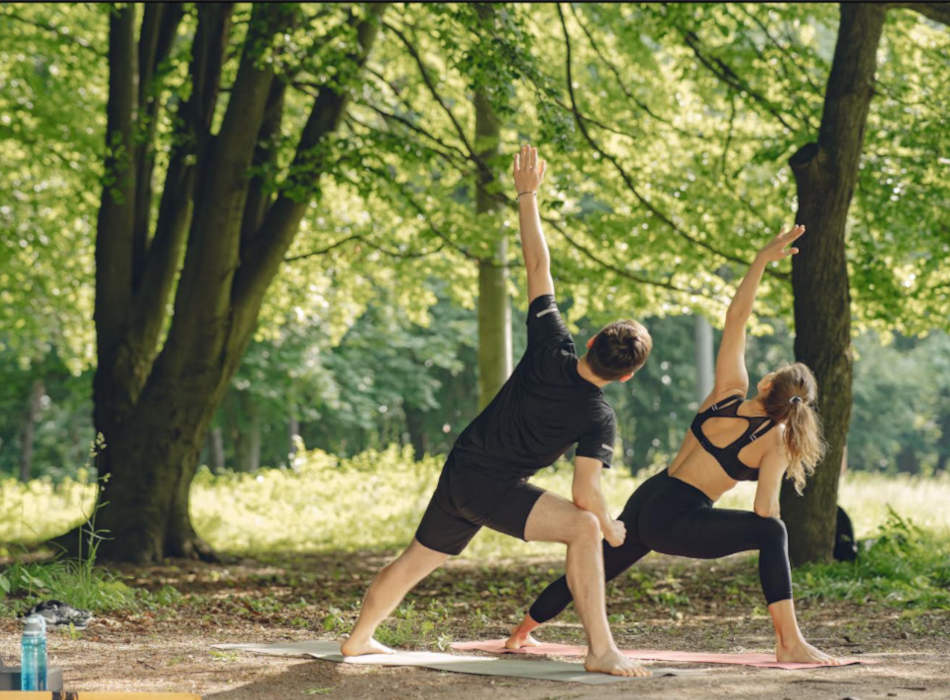
Solitude is also lived through the body. Yoga, mindful stretching, breathwork, tai chi, qigong, and conscious walking help us reconnect with the physical self, which often carries the tension we ignore. Yoga unites movement, breath, and awareness. It is not merely exercise; in its deeper tradition, it is a practice of inner union—bringing body, mind, and spirit into harmony.
Nature walking is another accessible form of solitude. The sound of birds, the movement of trees, the warmth of sunlight, the smell of rain, or the vastness of the sky can gently pull us out of anxious thinking and return us to the present moment. When we walk without headphones or notifications, thoughts that felt tangled indoors often begin to untangle outdoors. For those drawn to exploration, mindful adventure in nature can deepen the experience. A hike, a sunrise walk, a visit to the desert, a quiet beach, a forest trail, or a weekend retreat can become a sacred journey. Adventure becomes spiritual when we enter it slowly, respectfully, and with an open heart.
The Morning Advantage
The morning is one of the most powerful times to practise solitude because the mind is often quieter before the demands of the day take over. How we begin the morning shapes how we meet the rest of the day. If the first thing we do is reach for our phone, we may immediately enter a state of comparison, urgency, and reaction. If we begin with stillness, we give ourselves a stronger inner foundation.
A simple morning routine does not need to be long or complicated. It may include drinking water slowly, sitting in silence for five to ten minutes, breathing deeply, praying, journaling a few thoughts, reading something uplifting, stretching, practising yoga, or stepping outside for natural light. The aim is to begin the day as the author of your attention, rather than beginning the day already reacting to everyone else’s demands.
Morning solitude helps us set an intention for the day. Instead of asking, “What must I get through today?” we can ask, “How do I want to show up today?” This small shift can change the tone of the entire day. It helps us approach work with clarity, relationships with patience, and challenges with greater emotional balance.
Sacred Roots
Solitude is not a new idea. It has been valued in many religious and spiritual traditions for centuries.
In Christianity, Jesus often withdrew to quiet places to pray. The Desert Fathers and Mothers sought solitude in the wilderness to deepen their relationship with God, and the Psalms invite believers to “be still” and know the Divine. In Islam, Prophet Muhammad is traditionally described as retreating to the Cave of Hira for worship and reflection before receiving revelation. Sufi traditions also value quiet remembrance, prayer, and inner purification.
In Buddhism, the Buddha’s awakening came after deep meditation. Silent retreats and mindfulness practices continue to help people cultivate awareness, compassion, and freedom from suffering. In Hinduism and yoga, silence known as mauna, is used to quiet the mind and turn attention toward the deeper Self. In Judaism, figures such as Moses experienced profound encounters with God in the wilderness, where retreat and reflection prepared the heart for greater responsibility.
The common thread is clear: solitude is not separation from God or from life. It is a way of making space for deeper connection. Religious traditions do not treat silence as emptiness; they treat it as sacred listening.
Solitude in a Busy World
The greatest challenge today is not understanding the value of solitude; it is finding room for it in a life filled with work, family responsibilities, commuting, digital noise, and endless obligations. Many people feel that they barely have time to sleep, let alone sit in silence.
The solution is not to wait for a perfect retreat or a completely free day. It is to bring small moments of solitude into ordinary life. Solitude becomes sustainable when it is realistic.
Start by protecting small pockets of quiet. This could be five minutes before opening your phone in the morning, ten minutes during lunch without screens, a short walk after work, or a few minutes of prayer before sleep. These moments may seem small, but they interrupt the constant momentum of busyness and remind the mind that it does not have to rush all day.
Create boundaries around technology. Keep your phone away from your bedside, avoid checking messages immediately after waking, and set specific times to respond to emails and social media. You do not need to reject technology; you simply need to stop allowing it to control every empty moment. Silence often disappears not because we have no time, but because we fill every pause with a screen.
Solitude can also be built into routine activities. A commute can become a time for breathing and reflection instead of endless scrolling. Cooking can become a mindful practice when you focus on the task rather than rushing through it. A shower, a walk, or a cup of tea can become a small sanctuary if you enter it with attention.
Simple Ways to Begin
You do not need to disappear into a mountain cave to practise solitude. Begin small and remain consistent.
- Begin the day with five to ten minutes of silence before checking your phone.
- Take a short nature walk without music, podcasts, or messages.
- Practise gentle yoga, stretching, or breathwork for ten minutes.
- Keep a journal for thoughts, prayers, worries, and gratitude.
- Create a daily quiet hour, even if it is only fifteen minutes.
- Turn off non-essential notifications and set boundaries around screen time.
- Spend time in nature and simply observe your surroundings.
- Plan a mindful hike, beach walk, desert visit, or nature retreat.
- Listen to calming instrumental or classical music during reflection.
- Have one meal alone, slowly and gratefully.
- Use commuting time for breathing, prayer, or reflection rather than constant scrolling.
- Before sleep, ask yourself: What did today teach me?
- Attend a silent retreat or spend a day in intentional quiet when possible.
- Replace one hour of scrolling with one hour of stillness.
The goal is not perfection. The goal is presence.
Solitude is not a punishment, nor is it a sign that something is wrong with us. It is a sacred return—a return to breath, awareness, prayer, meditation, yoga, nature, truth, and inner peace. In solitude, we learn that we are more than our stress, more than our pain, and more than the roles we carry.
In the modern world, solitude may require intention. It may ask us to wake a little earlier, put the phone down a little sooner, take a walk beneath the trees, move gently through yoga, listen to a soothing melody, sit in prayer, breathe in silence, or say no to one more obligation. But these small choices can change the quality of our lives.
We discover that healing often begins in quietness, that purpose becomes clearer when we listen deeply, and that peace is not found by escaping life but by becoming fully present to it. The world may always be noisy, but within each of us there is a quiet place waiting to be remembered.
So love your solitude. Protect it. Return to it. Let it heal you, teach you, and awaken you.
Do not fear the quiet—enter it.
Do not run from yourself—sit with yourself.
Do not wait for the world to slow down—choose one sacred moment of stillness today.
Because in solitude, you are not alone.
You are returning home.
By Anup Joseph| Lessons on Essence
Solitude is not the absence of people; it is the presence of yourself before God, silence, and truth.
In stillness, we do not lose the world—we find the strength to return to it with peace.
Disclaimer
This article is intended for general reflection, spiritual growth, and personal well-being. It is not a substitute for professional mental-health care, medical advice, or therapy. If you are experiencing persistent sadness, anxiety, trauma, thoughts of self-harm, or emotional distress, please seek support from a qualified mental-health professional, Life coach, trusted spiritual guide, or local crisis service.


